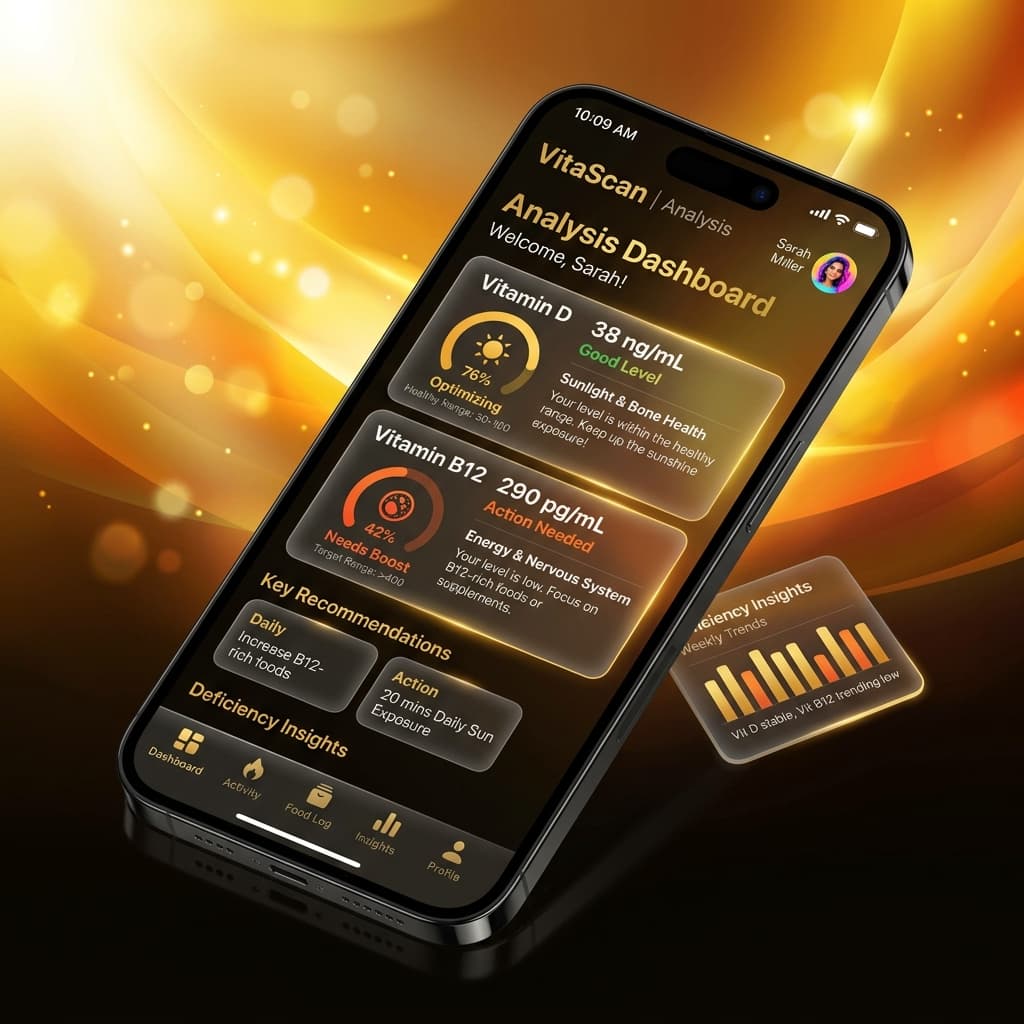
Vitamin D deficiency is incredibly common in urban India, with research indicating over 70-80% of city dwellers suffer from low levels. Because we spend most of our working hours indoors and use sunscreens when outside, our skin rarely gets the chance to manufacture this vital hormone naturally.
Often called the "silent epidemic," a deficiency can go completely unnoticed for years while gradually weakening your skeletal structure and dampening your immunity.
Symptoms of Low Vitamin D
Many people mistake Vitamin D deficiency for normal daily exhaustion. However, persistent shortages present clear indicators:
- Bone Pain and Muscle Weakness: Since Vitamin D is required for calcium absorption, low levels cause dull, aching bone pain, especially in the lower back, knees, and shins.
- Chronic Fatigue: If you wake up feeling exhausted despite getting 8 hours of sleep, a lack of Vitamin D is a highly probable culprit.
- Frequent Infections: Vitamin D directly interacts with your immune cells. Deficiencies often lead to catching colds, flu, or respiratory infections very easily.
- Mood Swings & Hair Loss: Receptors for Vitamin D are present in brain cells regulating mood, and its deficiency is closely linked with seasonal anxiety, low moods, and severe hair thinning.
Natural Sources of Vitamin D
The human body is designed to synthesize Vitamin D when bare skin is exposed to UVB rays. Exposure to morning sunlight (between 8:00 AM and 10:00 AM) for 15-20 minutes daily without sunscreen is the absolute best source. Nutritional sources are limited but include egg yolks, mushrooms exposed to UV light, fatty fish, and fortified milk or cereals.
Safe Supplementation & Monitoring
If your Vitamin D levels are under 20 ng/mL, natural sunlight alone might not be enough to recover. A doctor will typically prescribe a weekly high-dose supplement (such as Cholecalciferol 60,000 IU) for 8 to 12 weeks. Always test your levels before starting supplementation, as excess Vitamin D can build up and lead to calcium toxicity. Use SaralReport to securely store and compare your annual Vitamin D curves to keep your bones strong.
Are your bones getting enough Vitamin D?
Upload your latest Vitamin D or bone health report. Our AI will explain your calcium absorption potential and show you exactly where you stand on the normal reference scale.
Check Your Vitamin D Level